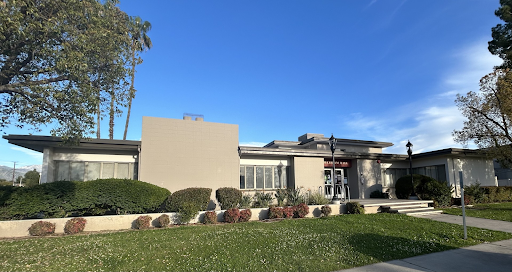
Students living in Williams, North, Merriam and Holt halls found their rooms a little too warm and cozy when they returned from Winter Break.
Since the start of the semester, many students in these four residence halls have reported constant and overwhelming heat no matter how low they adjusted their room heaters. The heat encouraged Merriam resident Sabina Wolf ’29, who reported room temperatures up to 90 degrees, to purchase an extra fan. Opening the windows provided some relief, she said, but not enough on the all-to-common warm days.
“I even had to go home because I was starting to feel sick from the heat,” Wolf said.
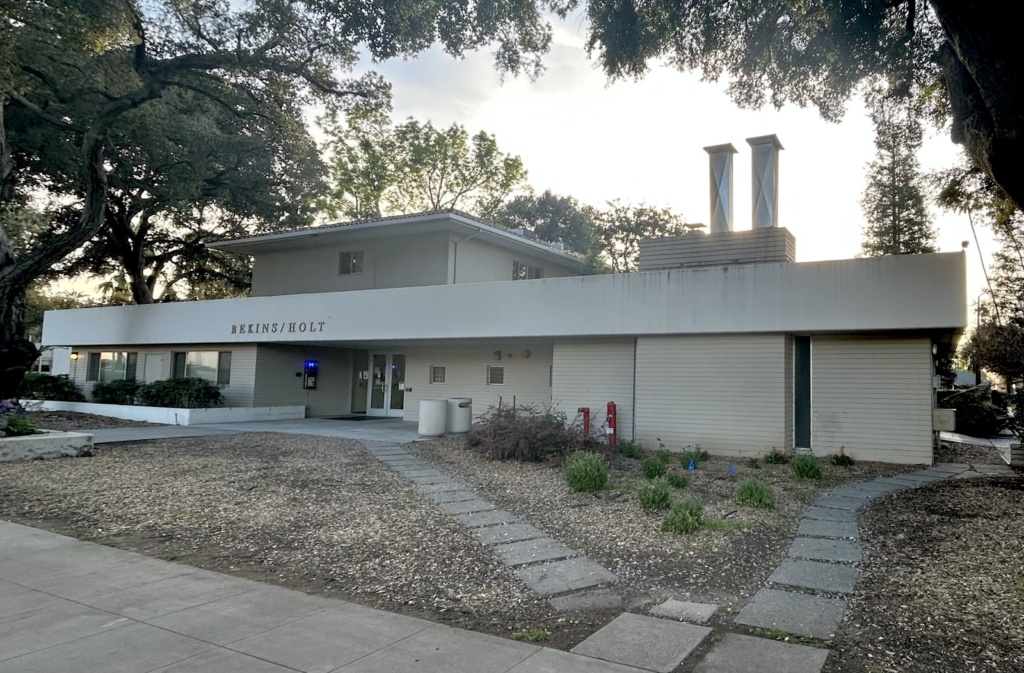
Holt resident Raf Noa ’29 said his roommate resorted to draping a towel over their heater. He said the basement was even worse, describing it as a “sauna.” While the building is still hot, Noa said he has noticed improvements since the end of January.
“There are still minor bits of heat, but it’s not insufferable like it was before,” he said.
Ciana Asmuth ’29 lives in a quad-style room in North Hall where both of the room’s heaters ran nonstop for several days until facilities personnel came and fixed the issue.
Asmuth said temperatures are still high, but the room now feels much better.
“It’s not as… rotisserie chicken,” she said.
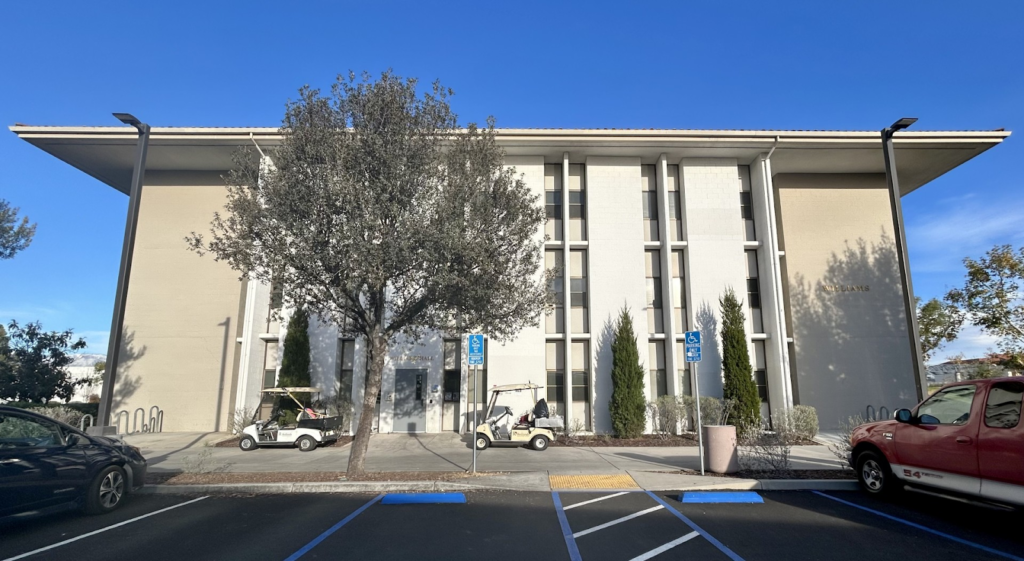
In Williams Hall, resident Emberly De La Vega ’29 reported distinct temperature fluctuations throughout the building.
“My room is kind of warm, but the second I step out into the hall it’s a good deal colder,” she said.
The water was another source of concern.
De La Vega, a water polo player, said Thompson Aquatics Center’s water wasn’t heated for the first couple of weeks – including the pool and showers. The NCAA requires water temperatures of 78-81℉, so the team wasn’t able to practice in the pool several mornings.
The Why
The temperature issues were caused by residence halls’ HVAC infrastructure and complications with a new energy system, according to Facilities Director Melinda Sanchez. Most of the residence halls have centralized heating systems, but North, Merriam, and Holt were built around the same time — between 1959 and 1965 — with a two-pipe system of either heating or cooling.
“When the buildings were built, we thought it was the coolest, neatest, efficient thing that we could do,” she said.
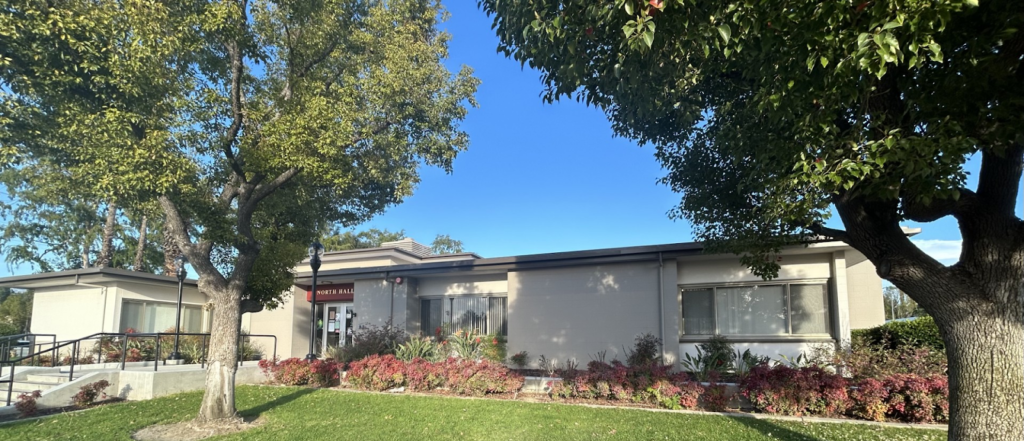
Each fall and spring, resident assistants (RAs) in the three dorms hold a vote to determine when to switch the HVAC system between heating or cooling. Yessenia Sanchez, the director of Residence Life and Housing, said the RAs held these conversations in November and December and voted to switch the systems to heating over Winter Break.
She said votes to change North and Merriam back to cooling were cast Feb. 4 and the heat was turned off on Feb. 23 to be replaced with air conditioning the following day. So, when these students come back from spring break, they should find their rooms to be much cooler. Holt residents are still undecided on a date to switch to air conditioning, Johnston Center Resident Coordinator Anthony Castellon ’21 said.
Williams, on the other hand, has a centralized HVAC system. Melinda Sanchez said the position of the building, with its west side facing the setting sun, contributes to its temperature discrepancies.
In addition to these halls’ structural factors, she said there have been hiccups with the recently-installed Honeywell energy system. Honeywell is more energy efficient and allows for building-specific temperature regulation, but it also requires more meticulous programming. Melinda Sanchez said this accounted for the water issues too, which she said have since been adequately addressed.
“We had some issues with the programming, and all of that has been figured out now,” she said. “I don’t think we’ve had a complaint in well over a month.”
Melinda Sanchez said the reason that temperature regulation seemed worse this year compared to previous ones was due to the extremely warm winter, pointing out the predicted 85℉ this weekend.
“We’re not used to experiencing this,” she said.
Going Forward
When asked for their proposed solutions, several students suggested inspecting and upgrading the two-pipe system.
“If we were able to get the buildings to have AC and heat, and you can control it from your rooms, that would be great,” Asmuth said.
However, Melinda Sanchez said switching the three residence halls from two-pipe to centralized HVAC systems would entail a full renovation which is not currently planned. She estimated such a project would take four months and be “incredibly expensive.”
Meanwhile, students are encouraged to submit facilities work requests and contact their RAs if HVAC issues arise.
“We take every work order on its own merit and go check and make sure it’s working properly,” Melinda Sanchez said. “We don’t know if you don’t tell us.”

McKenzie Rose, a sophomore double-majoring in Environmental Studies and Journalism, serves as the Redlands Bulldog Editor-in-Chief this semester. McKenzie first dabbled in the world of journalism during high school by working as a freelance reporter with the municipal Hermiston Herald and regional East Oregonian newspapers near her hometown of Echo, Oregon. She enjoys running (participating in the university’s track & field and cross country teams), spending time with her pets, traveling and listening to good ‘ol country music!